

Ancoats is an area of Manchester that’s been transformed in the last decade. The story of this post-industrial phoenix has been told many times, even held up as a model or template for urban regeneration.
Anyone who knew the area before will be quick to tell you how unrecognisable some parts of it are now. Of course the pace and extent of change has been far from even across the wider area. But it’s these spaces where development has focused that most of us more familiar with the newer Ancoats now associate with the area.
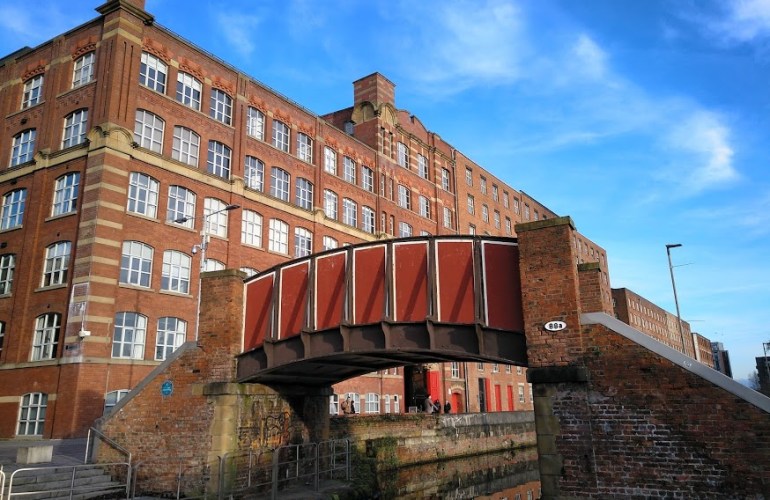
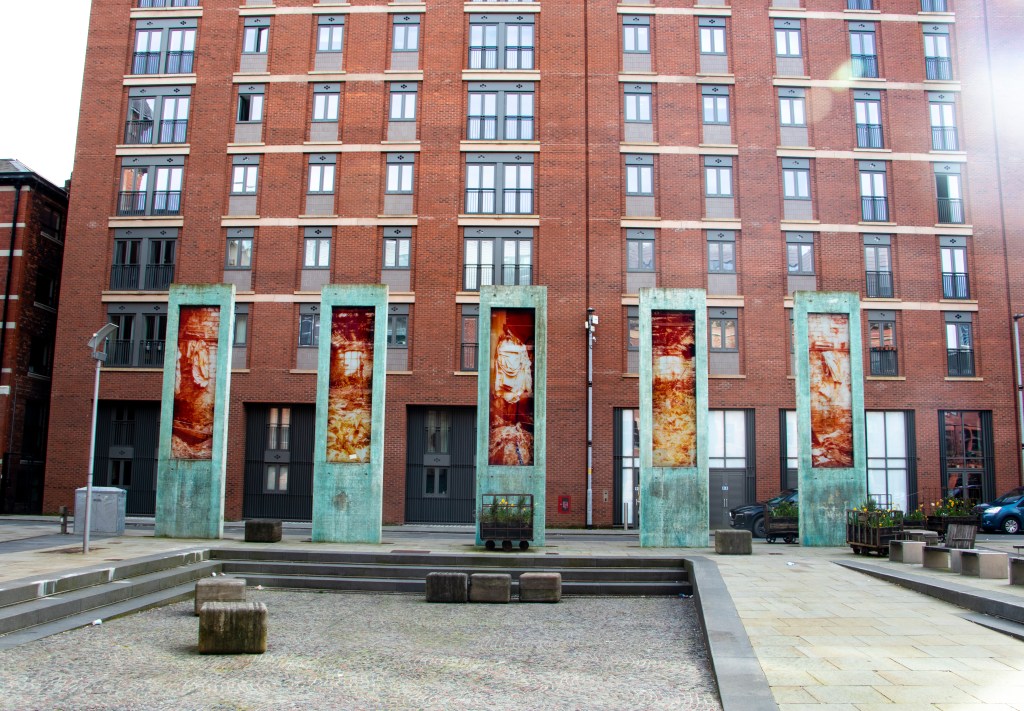
Asked to think of Ancoats, the images that come to mind for most of us would be of somewhere like Cutting Room Square, with the buzz of its bars and restaurants. Or the enigmatic cobbled streets around here, dotted with cool cafes and co-working spaces. Perhaps the walk along Redhill Street, with the proud industrial façades of Murray’s Mill and its neighbours on one side and the canal on the other, spanned by the emblematic red arch of Bridge 89a. On the other side of the Rochdale Canal, the beautifully landscaped marina marks an area of Ancoats revived and transformed, now rebranded as New Islington.
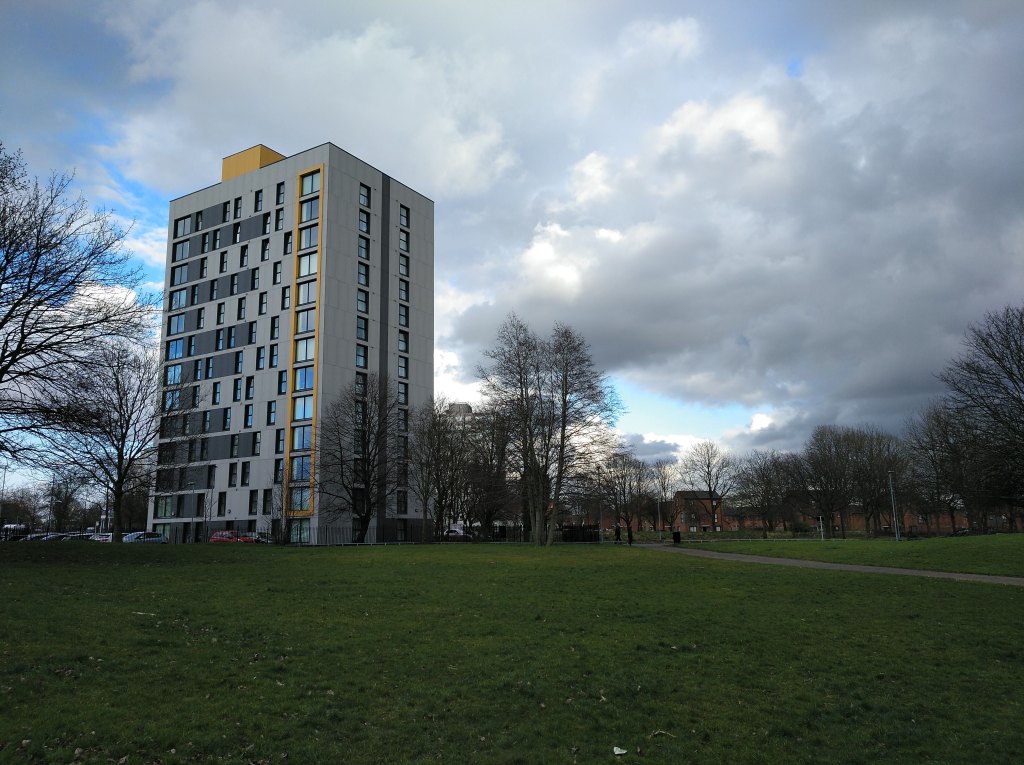
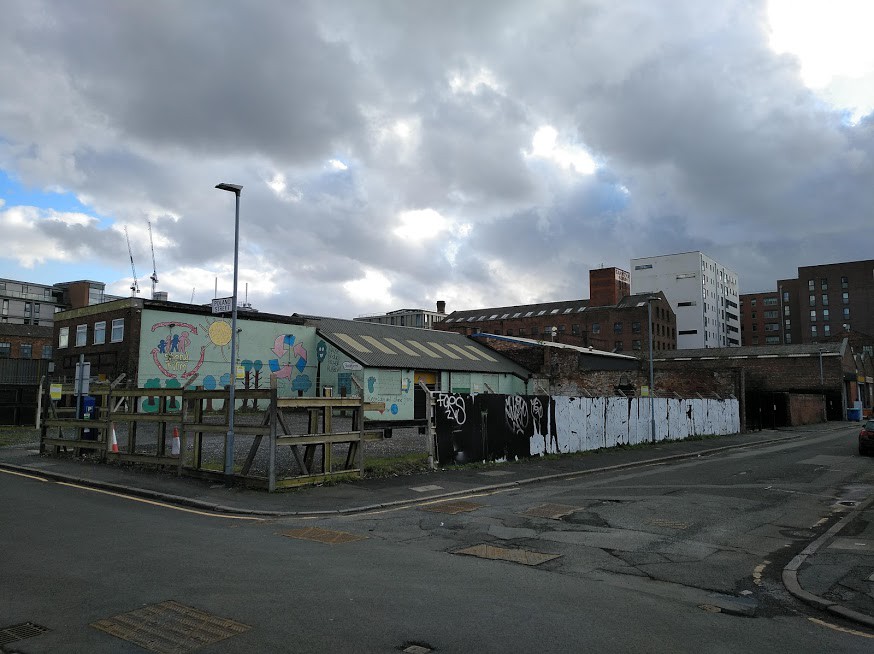
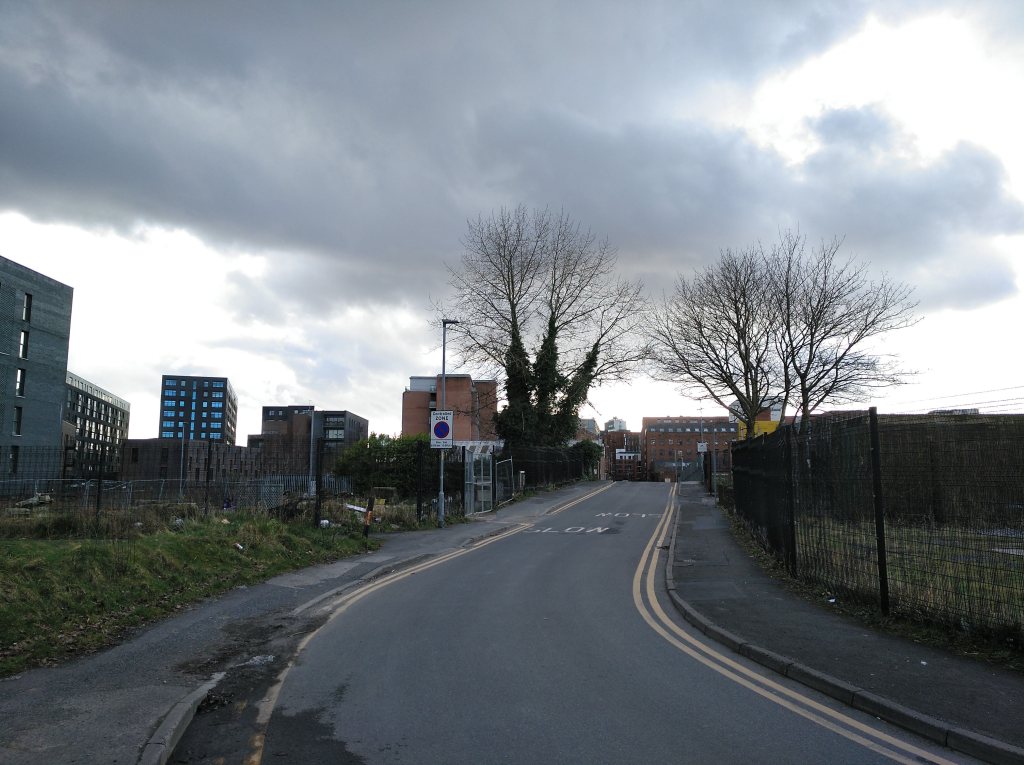
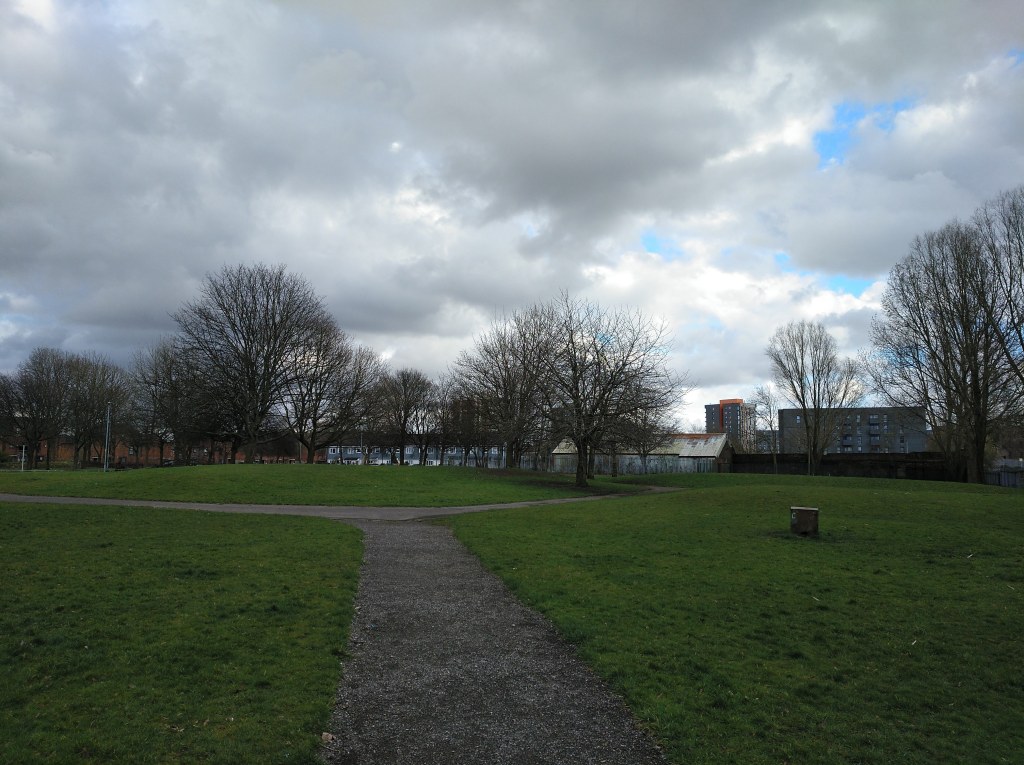
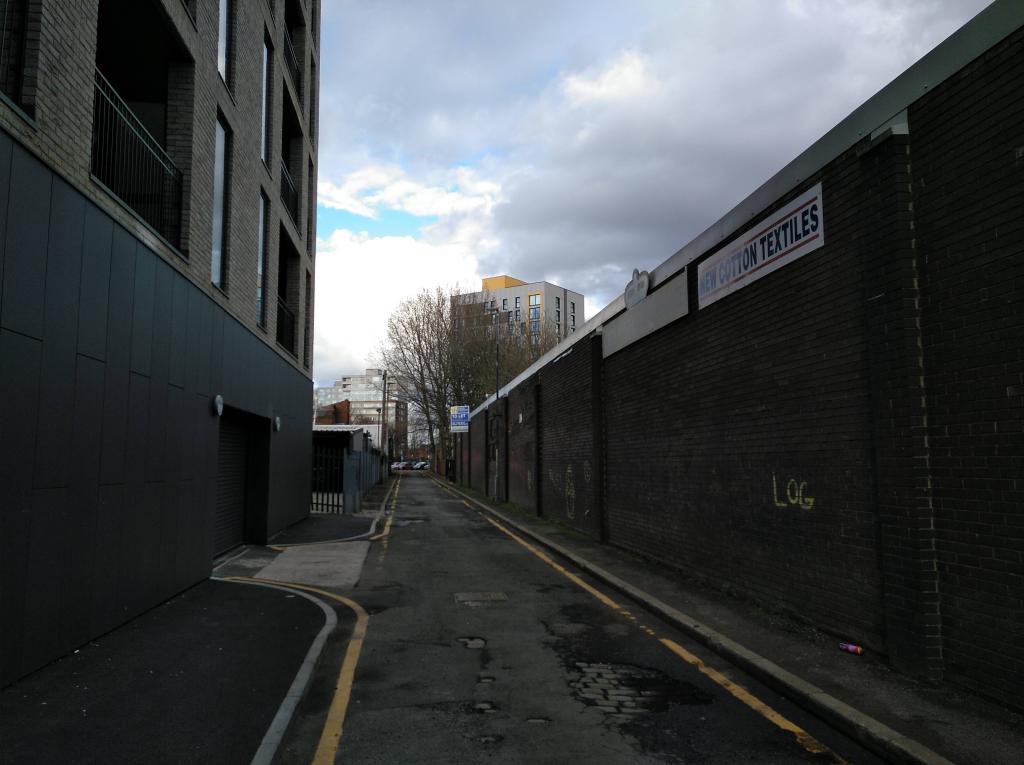
But if you keep walking past Cutting Room Square, past Hallé St Peter’s to the Beehive Mill and on a bit, you get a very different picture of Ancoats. This area, to the east and north of Flint Glass Works, feels like a different place altogether. After Radium Street you leave the characteristic canyon feel of high buildings on either side. The height and density of buildings suddenly drops. You come across walled off, semi-abandoned industrial units and improvised car parks, the odd run-down alleyway allowing you through. At the far north and west of the area you reach Ancoats Green — an apologetic patch of green that looks like it could once have been a park. It all seems a bit … forgotten.
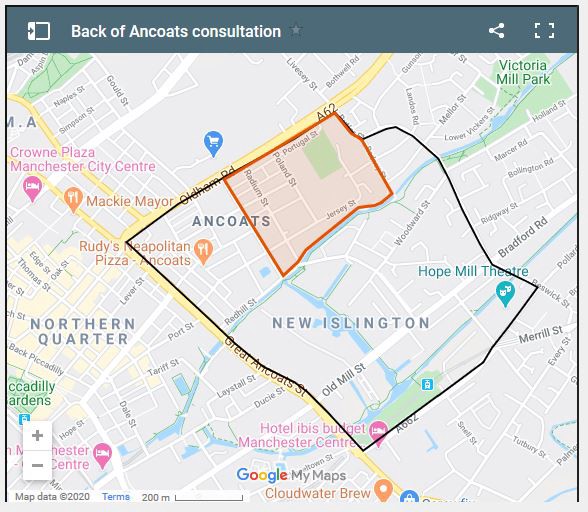
This area – from the canal to the ring road (A62) on one side, Bengal Street to Miles Platting on the other – is what Manchester City Council have alluringly christened the ‘Back of Ancoats’, or the Poland Street Zone. The council is consulting on an update to the Ancoats and New Islington Neighbourhood Development Framework and want residents’ views on their vision and objectives for the future development of this area.
Given the stark contrast between this area and what they call the ’Front of Ancoats’ (New Islington and the area around Cutting Room Square), it’s clearly about time it got some attention.
A quick look through the objectives and a flick through the draft document is encouraging too. In amongst the usual planning jargon and abstract-looking figures, there’s talk of cycle lanes, increased public transport links and minimising resource waste and carbon emissions. Among the objectives there’s an ambition to create a mixed living and working neighbourhood, building on the area’s industrial heritage and creating a range of employment as well as places to live.
There’s at least a nod to the importance of social sustainability too, with mentions of affordable housing, public and green space. Finally, there’s some recognition of the need for a more natural transition in urban form through the area — from the dense brick and glass high mass on the western side to the low-rise suburban style housing and open space of Miles Platting.
Crucially, there’s also some recognition of how Ancoats as a whole fits in to the city, with emphasis on improving connectivity and movement through the area — maintaining and enhancing routes into the centre of the city. Ancoats was largely depopulated for a long time after its industrial heyday. The ‘Front of Ancoats’ is now becoming increasingly better known, drawing in new residents and businesses and coaxing more people out across the ring road. Even now though, it sometimes feels strangely quiet for an area so close to the Northern Quarter and the city centre. There’s a sense of anticipation, of potential still waiting to be realised.
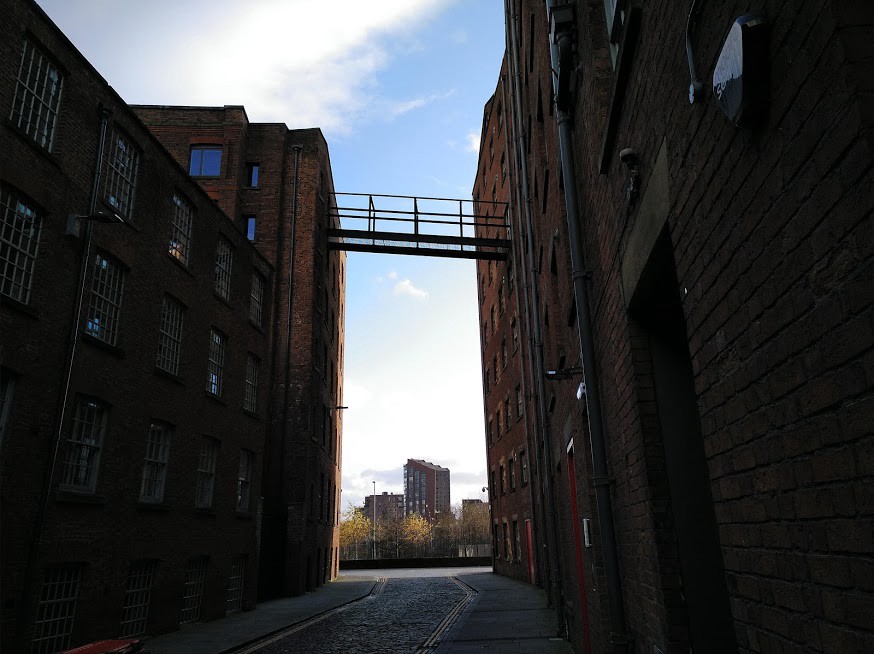
Although written a couple of years ago, urban design consultant Lucy Sykes’ reflection on the quietness of Ancoats still brilliantly captures the eerie ambience of the streets. As the council starts to plan for extending and deepening regeneration in Ancoats the council could well consider some of her ideas for bringing back the buzz of urban life too:
“Walking through these spaces makes me long for Manchester to take a leap of faith. You can’t help but feel that this landscape was built to be remembered, yet with its silence it feels this vision is disserved. A more flexible and opportunistic approach to planning could entice a new generation of entrepreneurs into Ancoats again, people who see the mills as more than just private accommodation, but as an experimental canvas for the arts, pop-up shops or for non-commercial gain. The temporary lease of ground floor units would allow the streets to become alive, social capital to grow, and give reason for pedestrians to travel to the area. Noise would radiate the public realm as residents and visitors alike connect and compliment the area with sound of urban life
Lucy Sykes, ‘Ancoats and the Quiet Whispers of Change’, in STEPZ II: Between the Rollerama and the Junkyard (2016). Available here.
Clearly the redevelopment that’s taken place so far is far from complete. Around the edges of the new ‘urban village’ there are there are other parts of Ancoats crying out for investment. Some of the lessons of Jane Jacobs seem to have been forgotten here too: in particular that a diversity of uses at the street level supports social and community cohesion, as well as safety and the local economy.
As attention turns to the Poland Street Zone though the planners now seem to be thinking along the right lines, or at least asking the right questions. Now that the better-known parts of Ancoats are starting to take shape, what should the next phase look like? Who will come to this area? How can new architecture and urban design build on what was there before, while complementing the changes already underway on all sides? How can we ensure new communities are socially inclusive and environmentally sustainable?
The plans are vague at this stage, but then I guess you’d expect that from a draft strategy. If anything it means that there’s more chance for residents to influence what things will look like here in the future.
Now that New Islington and the area around Cutting Room Square are starting to hum again, what will the next chapter in Ancoats’ journey to redefine itself look like?
You can read the objectives and the draft section of the NDF on the council’s consultation website. The Back of Ancoats public consultation is open until 15 May 2020.
Another area of Ancoats where development’s currently planned is the huge abandoned car park between New Islington Marina and Great Ancoats Street. Manchester City Council first proposed, imaginatively, to restore it to use as a car park, before dropping these plans in favour of a mixed use development. Local residents are campaigning for a real park on the site. Follow #TreesNotCars for updates and to get involve
By Ian Thompson
The Back of Ancoats (The Poland Street Zone)
 ancoatsvibes.com